

Diabetic neuropathy. Neuropathic pain. Symptoms and treatment.
Udostępnij
One of the main problems for diabetics are complications involving blood vessels caused by poor circulation. Diabetic neuropathy is a painful complication of diabetes. In Poland, there are about 3 million people suffering from diabetes; half of them, i.e., 1.5 million people, suffer from sensory disturbances in their feet, burning skin, and numbness in their feet. In some patients, neuropathy causes severe pain that prevents them from functioning. Learn about the symptoms, treatment methods, and ways to alleviate neuropathy-related ailments.
Diabetic neuropathy – a complication of diabetes
Diabetic neuropathy is, unfortunately, the most common complication of diabetes, with symptoms appearing in as many as 25% of diabetics, while more than half of diabetics are diagnosed with neuropathy based on neurological examinations, and neurophysiological studies indicate it in as many as 90% of diabetics. Diabetes is the second leading cause of nerve damage in the world, after trauma.
Diabetic neuropathy is a group of nervous system disorders resulting from poorly managed diabetes. High blood glucose levels cause a series of peripheral nerve damage in the foot. Its initial diagnosis can be difficult because it does not present severe symptoms in the early stage. Subjective sensations in the foot may be described incorrectly, as symptoms develop slowly and can be mistaken for other diseases.

When can diabetic neuropathy occur?
Any diabetic can develop diabetic neuropathy, regardless of the type of diabetes. It is said that half of people with type 1 diabetes and half with type 2 diabetes suffer from it. Statistically, diabetic neuropathy most often affects men; nearly 10% of diabetics suffer from diabetic neuropathy just one year after being diagnosed with diabetes, and more than half of diabetics who have had the disease for more than 25 years.
The longer one has diabetes, the greater the likelihood of diabetic neuropathy. Because symptoms develop slowly and are initially poorly felt, diagnosis can be difficult.
Diabetic foot neuropathy – Symptoms
Sensory neuropathy results from disorders of the peripheral nerves of the skin tissues and muscles. Neuropathy symptoms are felt most strongly at night. Often the ailments become unbearable; sleeping under a duvet can be troublesome and cause a feeling of weight. The most common ones include:
- numbness and tingling in the feet
- foot pain
- a sensation of needles in the feet
- sensory disturbances in the feet (so-called "stocking" distribution)
- weakness in the feet
- disturbances in the sensation of touch, temperature, and pain
- sensitivity to touch
- feeling of electric pain from delicate abrasion
- burning skin
- open, difficult-to-heal wounds
- feeling of hot or cold feet
The absence of symptoms does not mean there is no neuropathy. It can occur with just a feeling of numbness or may not cause symptoms at all.
Patients with neuropathy lose the sensation of delicate touch, temperature, and vibration. When the pressure level above 10g is lost, there is a high risk of foot ulcers.
More than 80% of amputations result from foot ulcers or cuts, which can be a consequence of diabetic neuropathy. Because of the very high mortality and morbidity, it is extremely important to prevent and treat diabetic neuropathy. People suffering from this complication experience electric pain, tingling, and burning feet; they can also experience simple numbness in the feet. It may happen that neuropathy does not produce any symptoms, so diabetics cannot ignore the lack of symptoms, as they do not rule out neuropathy.
Diabetic neuropathy – treatment and recommendations
Diabetic neuropathy worsens over time; its pace can be slowed down or stopped by proper diabetes treatment and normalizing blood glucose levels. Treatment of diabetic neuropathy mainly consists of normalizing diabetes and alleviating symptoms, which differs depending on the types of neuropathy present. Pain should be treated with appropriate medications agreed upon with a doctor, and ailments can be alleviated by wearing Reflexa® socks, which are dedicated to people suffering from neuropathy.
Doctors' recommendations for neuropathy
People suffering from peripheral neuropathy should take special care of their feet. Foot care is based primarily on choosing appropriate footwear and socks that will reduce the risk of ulcers. In case of neuropathy, one should consult a podiatrist. Pain treatment can improve the daily well-being of patients. Wearing socks that increase circulation can bring relief.
Reflexa® socks are recommended for neuropathy
Reflexa® socks are the only socks that can bring relief to the ailments of people suffering from neuropathy because they can:
- increase and improve blood circulation
- increase oxygenation of cells
Faster transport of oxygenated blood in the foot allows for faster nourishment of cells and regeneration of tissues. The socks bring relief from the ailments of diabetic neuropathy thanks to increased blood flow in the foot. They are recommended for all diabetics to avoid complications, as well as for all people who have sensitive ankles, cold feet, or poor circulation.
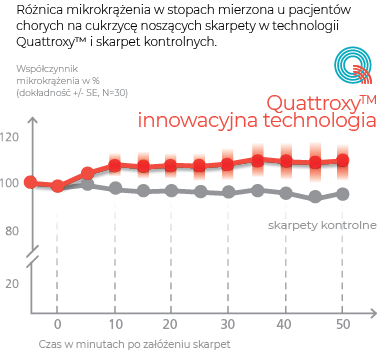
Reflexa® socks were created to help heal feet. Blood circulation in the foot increases after just a few minutes of wearing the socks, which is confirmed by clinical studies:
Explore models of non-binding socks that can help you. For neuropathy, Reflexa® non-binding socks or knee-high socks are recommended.